Is Wine Gluten Free?
In recent years, we’ve seen a shift towards a greater awareness of what we eat and drink. Whether it’s sparked by a desire for a fresh start after indulging on vacation, a newfound commitment to healthier habits, or the necessity of avoiding life-threatening allergens, there’s a growing trend towards understanding the ingredients in our food. Among these concerns, one stands out: the importance of knowing and avoiding allergens. These key allergens include dairy, peanuts, fish, eggs, tree nuts, soy, sesame, shellfish, and last but certainly not least, gluten. It’s vital for us and our loved ones to be mindful of these allergens for our health and well-being.
“Gluten” has become somewhat of a buzzword in the food industry. According to The Celiac Disease Foundation, it is a general name for the proteins found in wheat, barley, and rye. Gluten acts similarly to a glue—it gives dough its elasticity and assists many foods in maintaining their shape. It’s what gives bread and pasta those textures that many of us love so much. Unfortunately for some, it is a dangerous allergen and “can be found in many types of foods, even ones that would not be expected.” Thankfully, reading labels, looking for certifications, checking ingredient lists, and being aware of potential cross-contamination are a few ways to steer clear.
It’s easy to identify foods containing gluten, but what about the beverages we consume—specifically, wine?
Does Wine Contain Gluten?
Wine drinkers, rejoice!
In short, wine does not contain gluten. While several types of wine coolers and spritzers often contain additives, Beyond Celiac confirms that natural “unflavored wine is … gluten-free and safe to consume on a gluten-free diet.” That said, it’s important to dive deeply into the processes of making wine to determine why and how it is gluten-free.
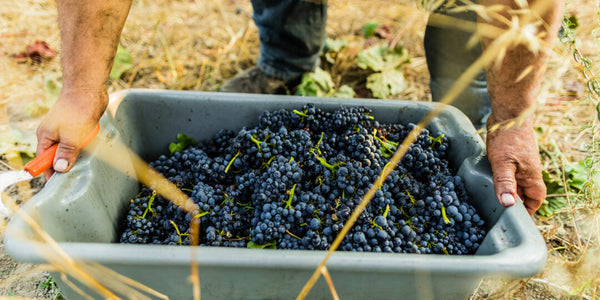
Grapes, as well as their fermentation process, are naturally gluten-free. The fermentation process consists of grapes and yeast, and sometimes a yeast nutrient is added to prevent sluggish or slow fermentations. None of these components contain gluten. There are, however, certain areas of potential cross-contamination. After fermentation, wines often go through a process called fining to clarify the wine. Ingredients used during the fining process vary. While winemakers in Italy and France used egg whites for hundreds of years, it‘s a common practice nowadays to achieve the same results by using other microbial products, like isinglass (a substance derived from the swim bladders of fish), milk products, food-grade gelatin, and casein— none of which contain gluten.
After fermentation and fining, then what? The barrel aging process! Oak barrels may be sealed with wheat paste, but scientific studies that dove into the gluten content of wine that had been aged in these barrels found that “all results were below the lower limit of quantification for gluten for these assays of 5 and 10 parts per million.” That being said, if gluten is a serious concern you can opt to drink wines that are traditionally not aged in oak barrels.
Can I Drink Wine if I’m Celiac?
The bottom line is that if you have been diagnosed with Celiac disease, it’s important to exercise caution when consuming wine, as some wines may contain traces of gluten due to cross-contamination during processing. Generally speaking, wines made solely from grapes, by vintners that lean towards a hands-off winemaking approach, should be gluten-free. That said, it’s advisable to check with the manufacturer to ensure they’re safe to drink. When in doubt, consider consulting with a healthcare professional for personalized advice regarding you or your loved ones’ dietary restrictions.
To sum it up, the risk of coming across gluten in wine is very low and will most often come from trace amounts of wheat paste that is used to seal oak barrels– which is between 5-10 ppm. If you are on a gluten-free diet, this is hardly something to worry about; however, if you or your loved one have a serious life-threatening allergy to gluten, contact the manufacturer or your doctor to ensure your safety.